Designed for Nutrition. Loved for Taste.
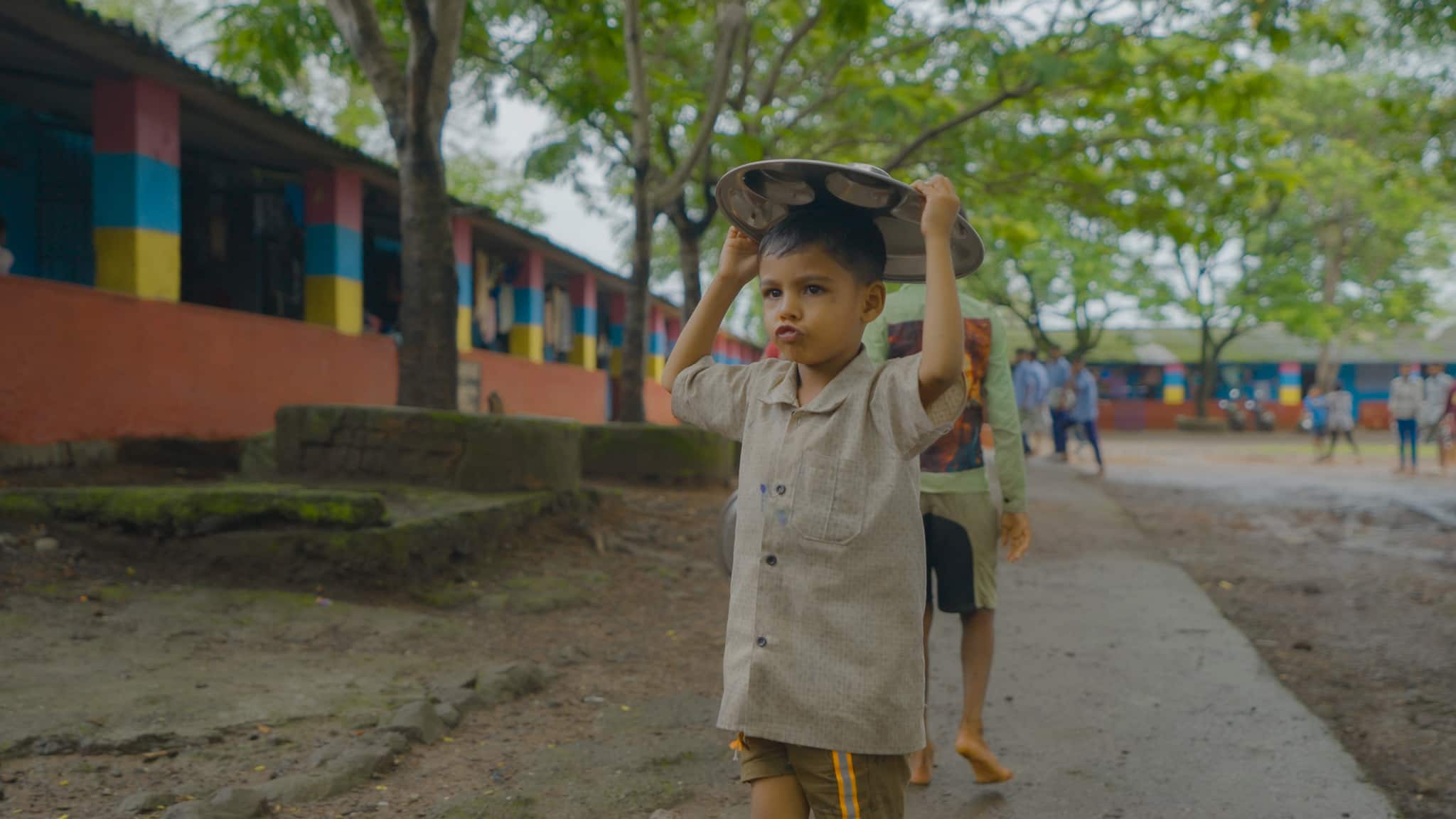
"The most nutritious meal in the world has zero value if a child does not eat it."
While redesigning menus for children from Anganwadis across Nandurbar and Benipur, the goal seemed simple: improve the nutritional quality of meals served to thousands every day. In reality, it turned out to be one of the most humbling lessons in nutrition. Nutrition works when it is eaten, not only when it is calculated. A meal could look perfect on a spreadsheet and be prescribed in the right quantities, but its lasting impact is felt only when a child happily finishes it. This belief became the foundation of every decision we made.
The burden of malnutrition
India continues to carry one of the world's highest burdens of child malnutrition. According to the National Family Health Survey-6 (2023–24), nearly three in ten children under five are stunted, close to one in five are wasted, and almost one in three are underweight. Micronutrient deficiencies, including iron deficiency anemia, continue to undermine growth and brain development during the most critical years of a child's life. Behind each of these numbers is a child whose future is shaped by what is, or is not, on their plate. That is a responsibility we take seriously.
The missing ingredient: Taste
When conversations around malnutrition begin, they usually start with nutrients like protein, iron, calcium, and vitamin A. All of these matter immensely. But we had perhaps overlooked something more fundamental: taste. Research has consistently shown that taste is one of the strongest drivers of food choice, especially among children. They are the most honest food critics in the world. If they do not like a meal, no amount of nutritional science can persuade them to finish it.
Not every healthy idea worked
One of our early menus included ragi sheera. Ragi is an excellent source of calcium and fibre, and on paper, it was exactly the kind of food we wanted children to eat. But the plates told us something different. Children were not finishing their portions. Some took a few bites and stopped. Others barely touched their plates. So instead of asking how we could convince children to eat ragi, we started asking how we could make them love it. That question changed how we approached the entire menu. Instead of abandoning nutritious ingredients, we reinvented how we served them. Ragi became a soft, delicious Ragi Cocoa Pancake. The ingredient did not change. The recipe did.
Where science met the kitchen
Behind every menu item were conversations with kitchen teams and Anganwadi workers that pushed us to ask questions like: Could this be cooked consistently? Would it travel well? Would a child finish it?
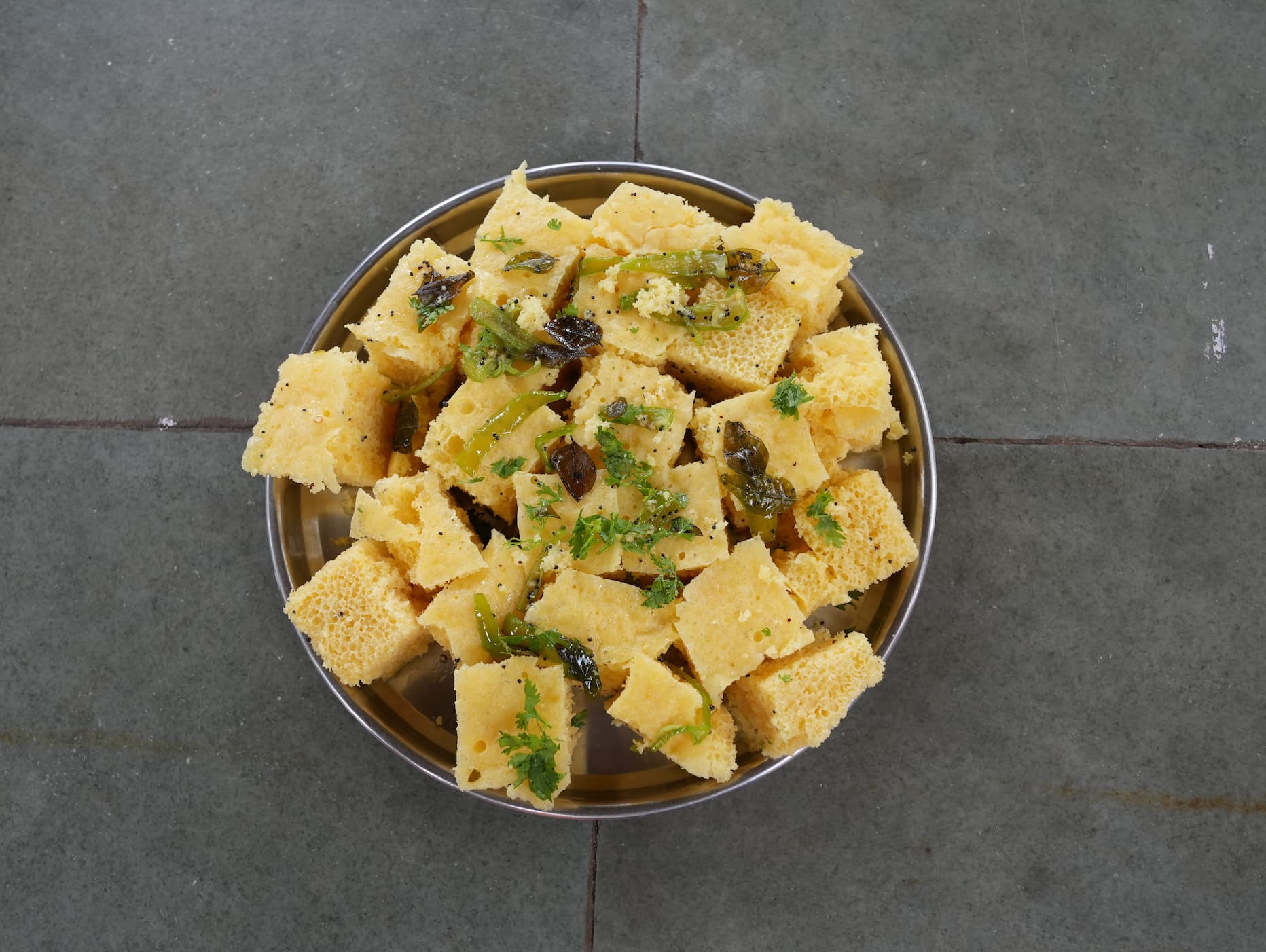
The menu evolved in ways that went beyond individual recipes. We improved dietary diversity across the week, introduced a wider variety of cereals, millets, pulses, vegetables, and dairy, and built better combinations to improve protein quality and micronutrient absorption. We reduced repetition and added more colours, textures, and flavours. Our Uttapams, for instance, became a vegetable-loaded, colourful breakfast that children actually looked forward to. We also introduced a fluffy Besan Dhokla, because we knew that food has to go beyond calculated calories. It has to be something that excites them.
Building tomorrow's eating habits, today
Healthy eating habits begin with childhood memories, not adult resolutions. The foods children enjoy today are often the foods they return to tomorrow. If we can make vegetables enjoyable and millets exciting, they stop being "healthy food." They simply become food.
That is one of the biggest opportunities we have: not just to fight malnutrition today, but to prevent lifestyle diseases tomorrow. At Feeding India we're doing far more than serving meals. We strive towards giving every child a healthier start in life- one delicious meal at a time!
Dr. Chandni Chopra holds a PhD in Nutrition and brings a passion for child health and wellbeing. As the Chief Nutrition Officer at Feeding India, she curates menus that children genuinely enjoy, designed to be diverse, nourishing, and delicious.