How Anganwadi centres help fight child malnutrition in India
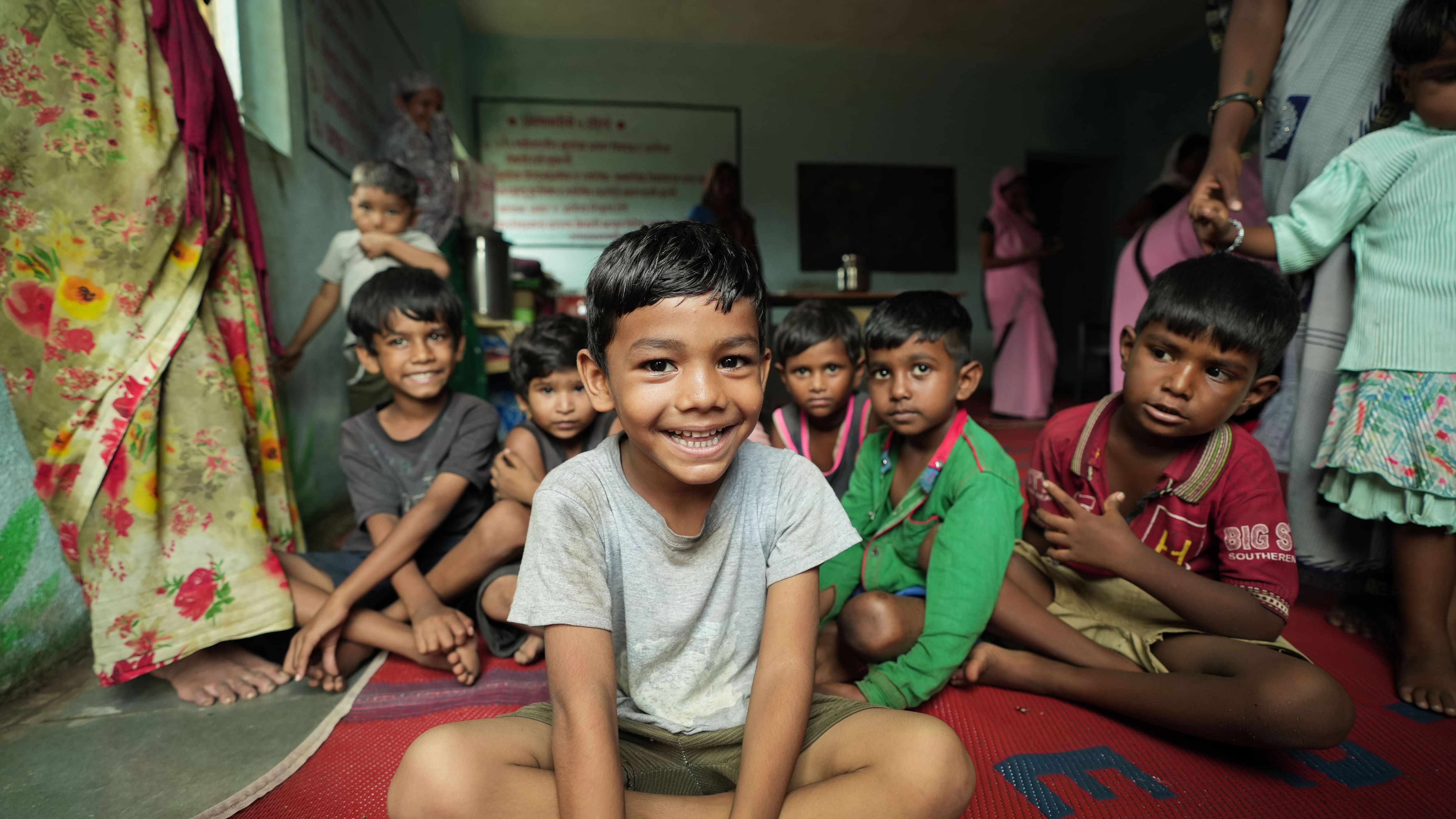
Walk into any village in rural India and you will likely find a child whose body tells a story that their age does not. Their arms are thin, their growth has stalled and their body is fighting a war against hunger that began before they could speak. These are not isolated images, they are statistics made visible.
According to the National Family Health Survey (NFHS-6, 2023–24), 29.3% of children under five in India are stunted, 31.8% are underweight, and 19% are wasted.
Malnutrition in India is not simply a story of hunger. It is a story of compounding deficits. What a mother could eat during pregnancy, whether a child was breastfed long enough, how many times they fell sick before turning two, whether the family had access to a toilet, whether there was enough variety on the plate even when there was enough food. A child may consume enough calories and still suffer from anemia or micronutrient deficiencies. Poor dietary diversity, recurrent infections, inadequate sanitation, and suboptimal feeding practices all compound each other. It is not a single failure, but an accumulation of many, each making the next more likely.
The Lancet estimated that as of 2017, 68.2% of all deaths of children under five in India, nearly 1,934 deaths per day, could be attributed to malnutrition.
Given the complex nature of malnutrition, it cannot be solved in hospitals alone. By the time a severely malnourished child reaches a clinic, the damage has often been accumulating for months, sometimes years, quietly, invisibly in the body of a child who seemed okay until the window to intervene had already begun to close. The work of prevention has to happen earlier, closer to home, in the years when it still matters.
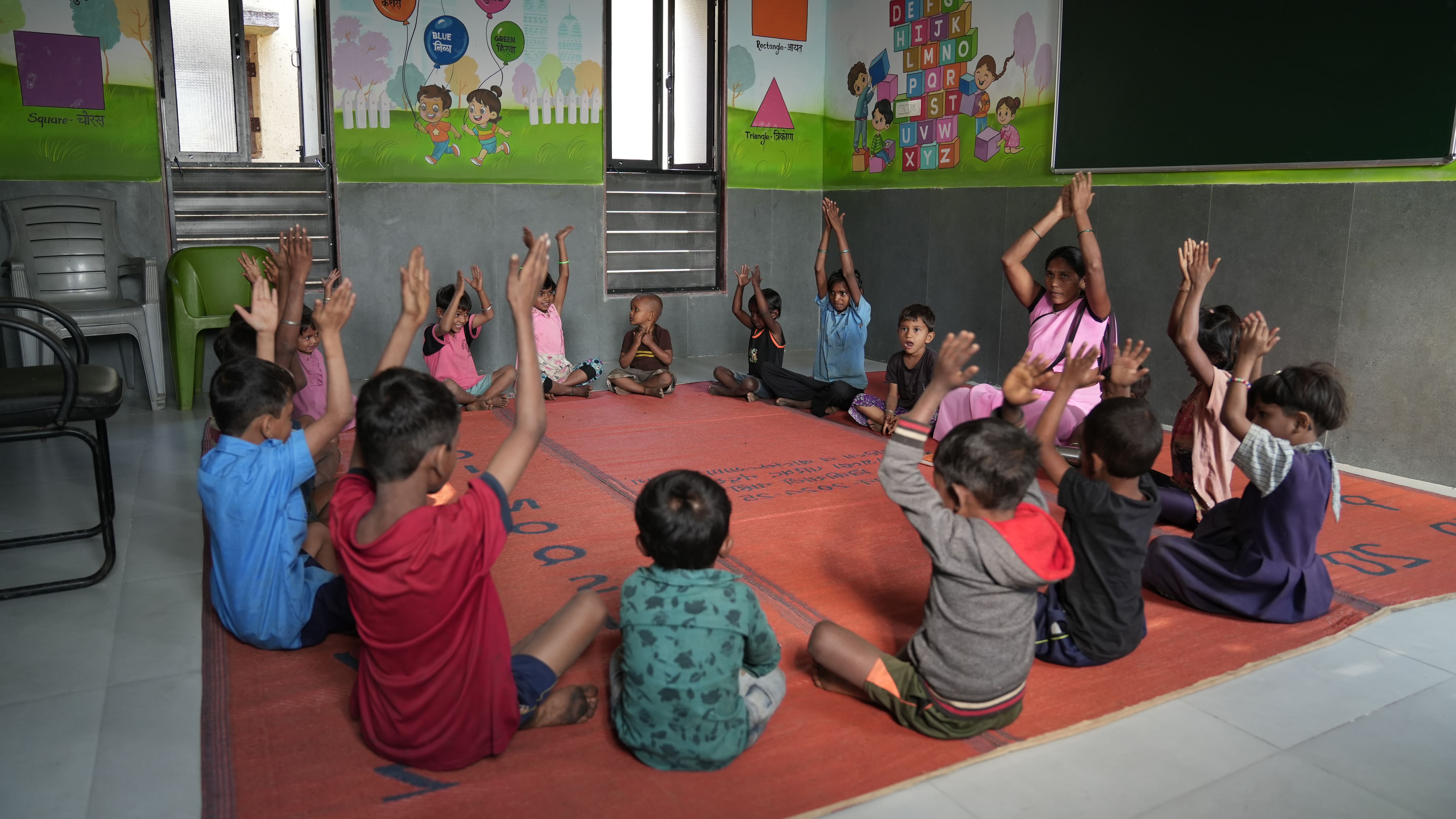
That is precisely what the Anganwadi Centres (AWCs) were built to do. Established in 1975 under the Integrated Child Development Services (ICDS) programme the AWCs bring together nutrition, health care, preschool education, and maternal counselling under one roof. Designed to reach children during the most critical years of their lives, in the places where they actually live, AWCs serve as a last-mile institution in the fight against malnutrition.
Understanding the role of Anganwadi Centres
AWCs are India’s frontline institutions, supporting children under six years, pregnant women, and lactating mothers.
Today, there are over 14 lakh AWCs spread across India, staffed by Anganwadi Workers (AWWs) and Helpers (AWHs), supervised by Lady Supervisors, and governed through a layered system of District and Block-level officers.
By design, an AWC brings essential nutrition, health, and early childhood care services closer to communities. Its mandate covers six interconnected services under ICDS:
- Supplementary Nutrition - hot cooked meals for children aged 3-6 years, and take-home rations for children aged 6 months to 3 years, pregnant women, and lactating mothers
- Immunisation - protecting pregnant women and infants against vaccine-preventable diseases in coordination with the health department
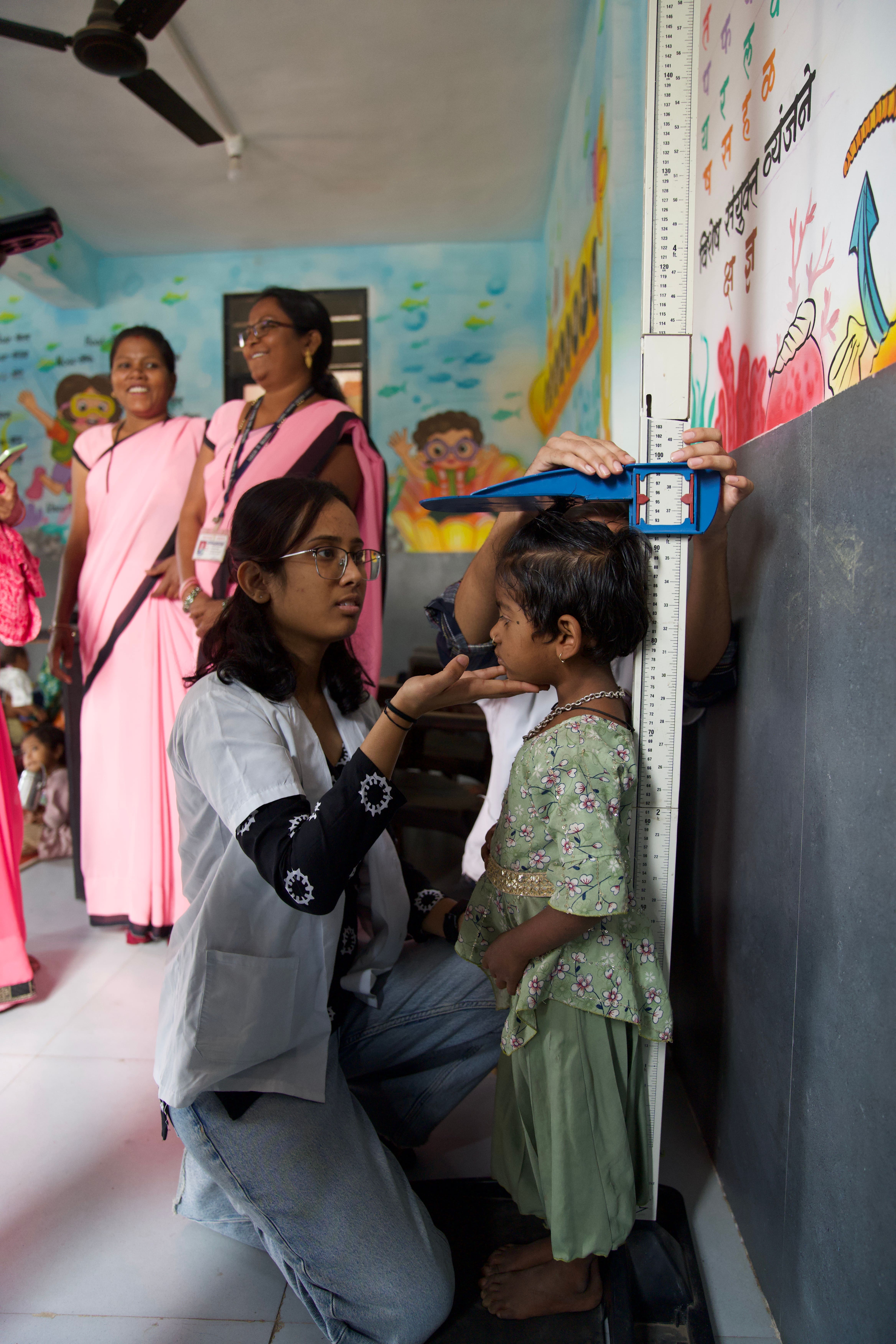
- Health Check-ups - routine monitoring of weight, height, and development
- Referral Services - identifying Severely Acute Malnourished (SAM) and Moderately Acute Malnourished (MAM) children and connecting them to health facilities
- Nutrition and Health Education - counselling mothers on breastfeeding, complementary feeding, hygiene, and sanitation
- Early Childhood Care & Education (ECCE) - foundational learning for children aged 3-6 years
In other words, the AWC is designed to be a convergence point. The place where nutrition, health, and early childhood development meet at the community level. For millions of children in rural and semi-urban India, it is often among the first formal institutions that pay attention to whether they are growing. For many families in India, the AWW is the essential grassroots first point of contact for community health and nutrition.
This is why Anganwadis matter so much, what happens inside them, and how well they function, can be the difference between a child who thrives and one who does not.
Anganwadis as community institutions: Why they matter
There is something important about the Anganwadis that statistics alone do not capture. One of the system’s greatest strengths is its presence within the community. Unlike a hospital, a clinic, or a government office, the AWC is not a place families travel to in a moment of crisis. It is embedded in the neighbourhood, on the same lane, in the same village, staffed by a woman who is herself a member of the community she serves.
This embeddedness of the AWW within the community builds trust that no external program can replicate. Mothers in rural or tribal areas who may avoid formal clinics will often confide in a familiar AWW regarding maternal or child he alth concerns. For many children, the AWW is the first person to weigh them, chart their growth and flag any potential risks they may be facing.
When families, local leaders, and mothers’ groups participate in the functioning of an AWC, it becomes more than a service delivery point. It becomes a shared community space that supports children’s nutrition, learning, and well-being. The AWC becomes a familiar space and familiar spaces lower the barriers that so often prevent the most vulnerable families from seeking help at all.
While the Anganwadi system has achieved remarkable reach over the years, there is significant scope to enhance its impact by progressively updating the Anganwadi network to match current economic realities. Strengthening these foundational pillars will not only fortify the existing network but also ensure these vital community spaces can fully realise their potential in serving the nation’s most vulnerable families.
Strengthening Anganwadis: Feeding India's work
The Anganwadi network holds immense potential, but unlocking it requires sustained, collaborative support. The core philosophy behind Feeding India’s The Anganwadi Program: strengthening the existing system instead of building parallel structures.
By working hand in hand with the current structure, the program channels resources into key areas where strategic support can yield the highest impact, specifically optimising child nutrition, modernising infrastructure, and leveraging data-driven evidence to sustain long-term growth.
Getting the meal right: It started small. 36 AWCs in the Benipur sector of Arajiline block, Varanasi. A pilot. A question: what happens when children actually receive a freshly cooked, nutritionally adequate meal every day.
Today, Feeding India delivers two hot meals daily - breakfast and lunch to 400+ AWCs across Nandurbar, Maharashtra and Varanasi, Uttar Pradesh through a centralised kitchen model and a route-wise delivery network designed to keep food fresh by the time it reaches a child. The menus are developed by nutritionists, but rooted in the tastes and preferences of the local community. On hot days, hydration beverages are added. Every batch is monitored before it leaves the kitchen.
Rebuilding spaces that matters: Feeding India's infrastructure program starts from a different assumption, that the physical space communicates something to the child, the mother, and the AWW who shows up every day. We have redeveloped 70+ AWCs so far: brighter rooms, better ventilation, spaces that feel like somewhere a child belongs.
Measuring what actually changes: In order to track the real impact of our interventions towards solving malnutrition we're monitoring our progress consistently. In partnership with independent research agencies, and through our own internal Monitoring, Evaluation & Learning (MEL) systems, we're running a longitudinal study that tracks the same cohort of children aged 3-6 years over time. We're measuring stunting, wasting, and underweight. Not as a one-time snapshot, but as a record of change.
By supporting the delivery of hot cooked meals, designing nutrient-dense menus and working closely with local stakeholders, our effort is to strengthen an existing ecosystem that already reaches millions of children every day.
Our experience on the ground has reinforced a simple idea: when nutritious food is combined with regular attendance, community trust and local ownership, AWCs become far more than feeding centres, they become spaces that support healthy childhood development.