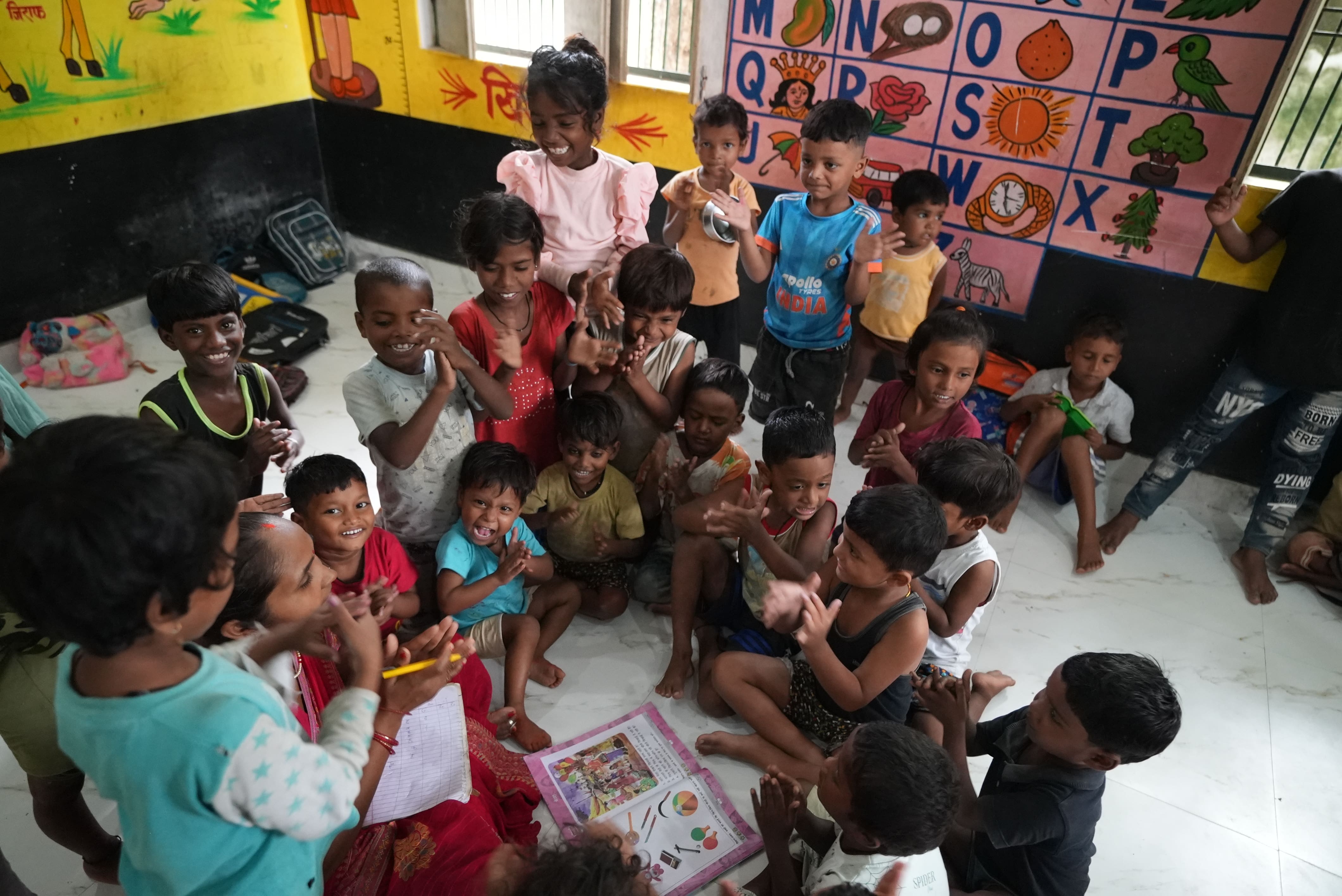
Nandurbar Launch
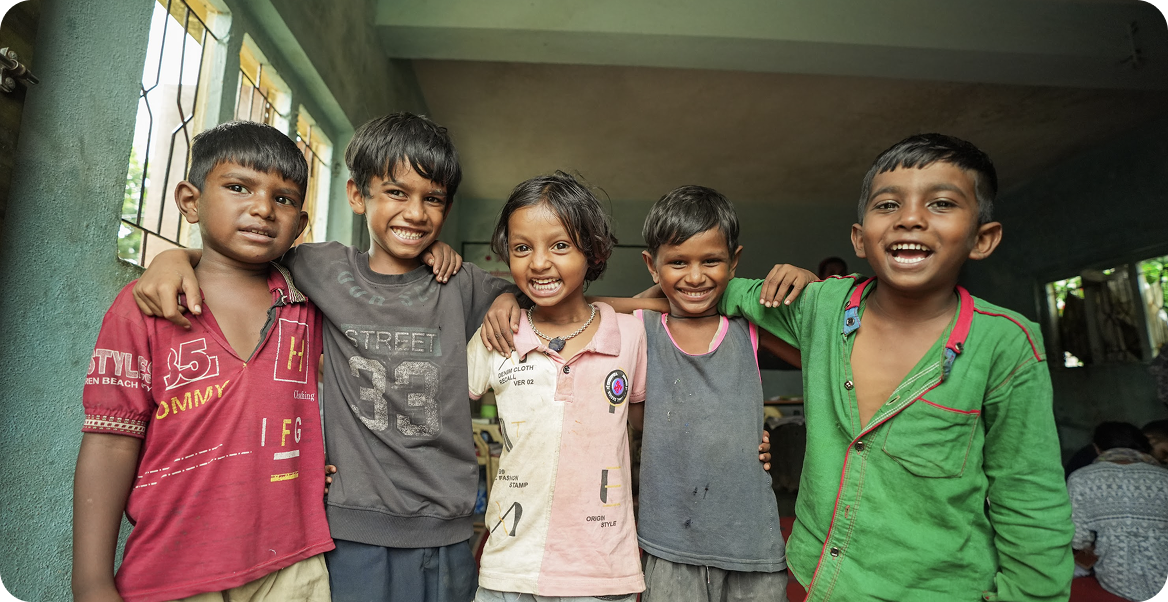
Building a stronger beginning, together
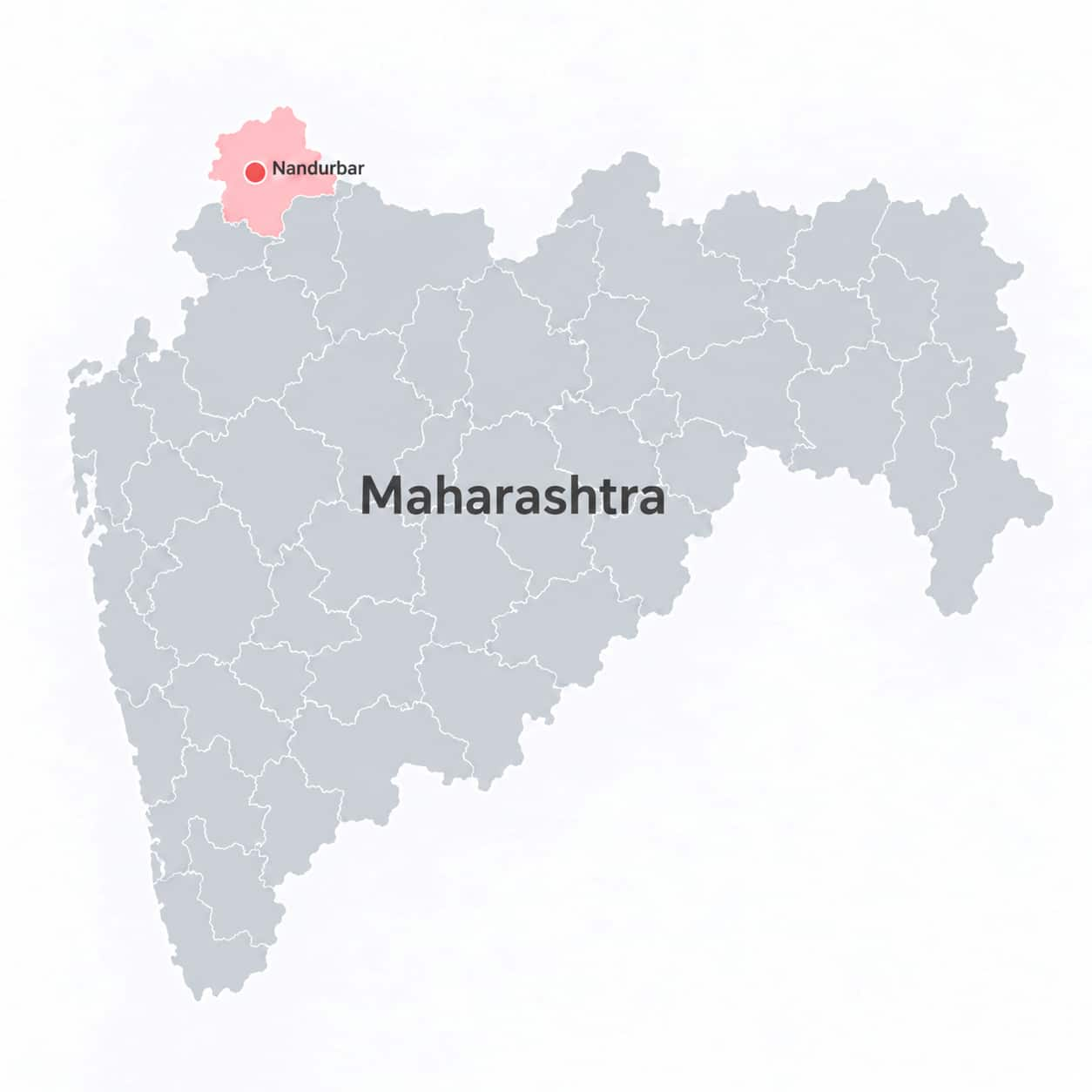
Every child deserves a good beginning. A chance to grow, learn, play, and discover the world around them. But in Nandurbar, a predominantly tribal district in northwestern Maharashtra, high levels of childhood malnutrition and multidimensional poverty make that beginning harder for many children.
In May 2025, Feeding India began working in Taloda taluk of Nandurbar to strengthen the Anganwadi system that already serves these communities. The belief was simple: helping children grow well takes more than food alone. It takes nourishing meals, safe spaces, consistent care and a willingness to keep learning.
Understanding the need on the ground
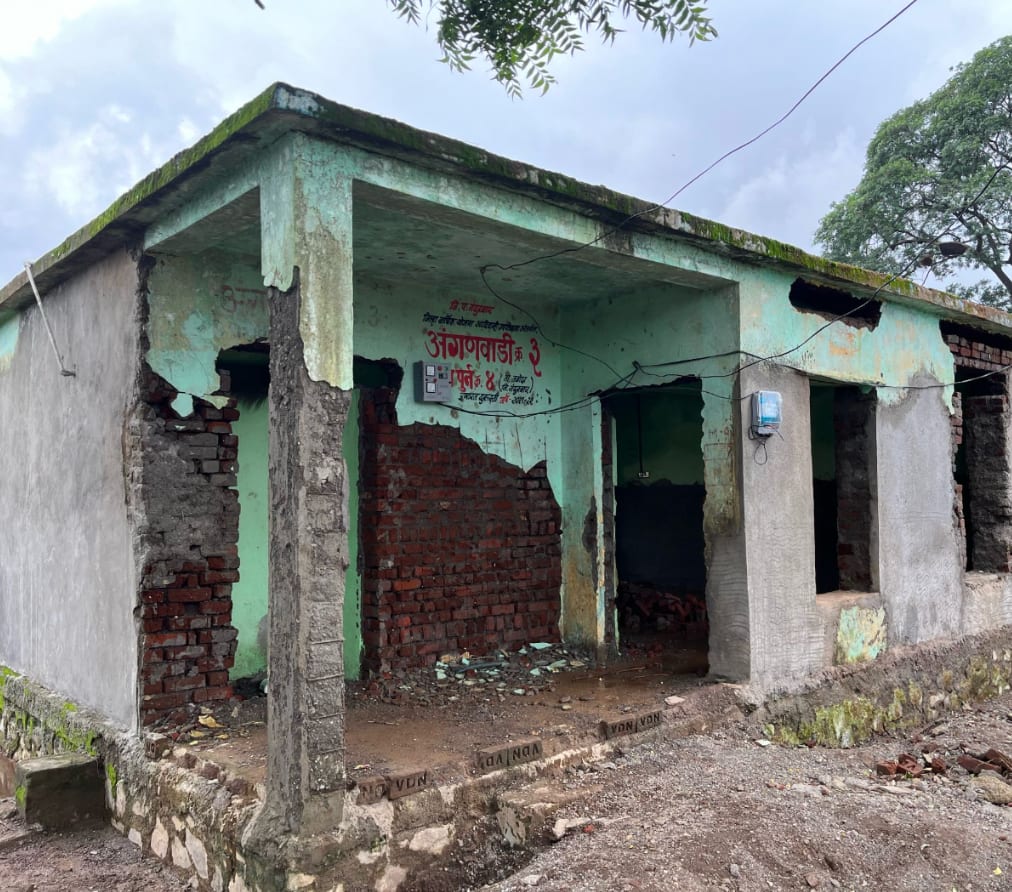
In the summer of 2025, our teams visited 220 Anganwadis across Taloda, assessing their infrastructure, functionality and the needs of the children who attended them. These visits helped us understand where support was needed most. From the assessments, 26 centers were selected for the first phase of redevelopment.
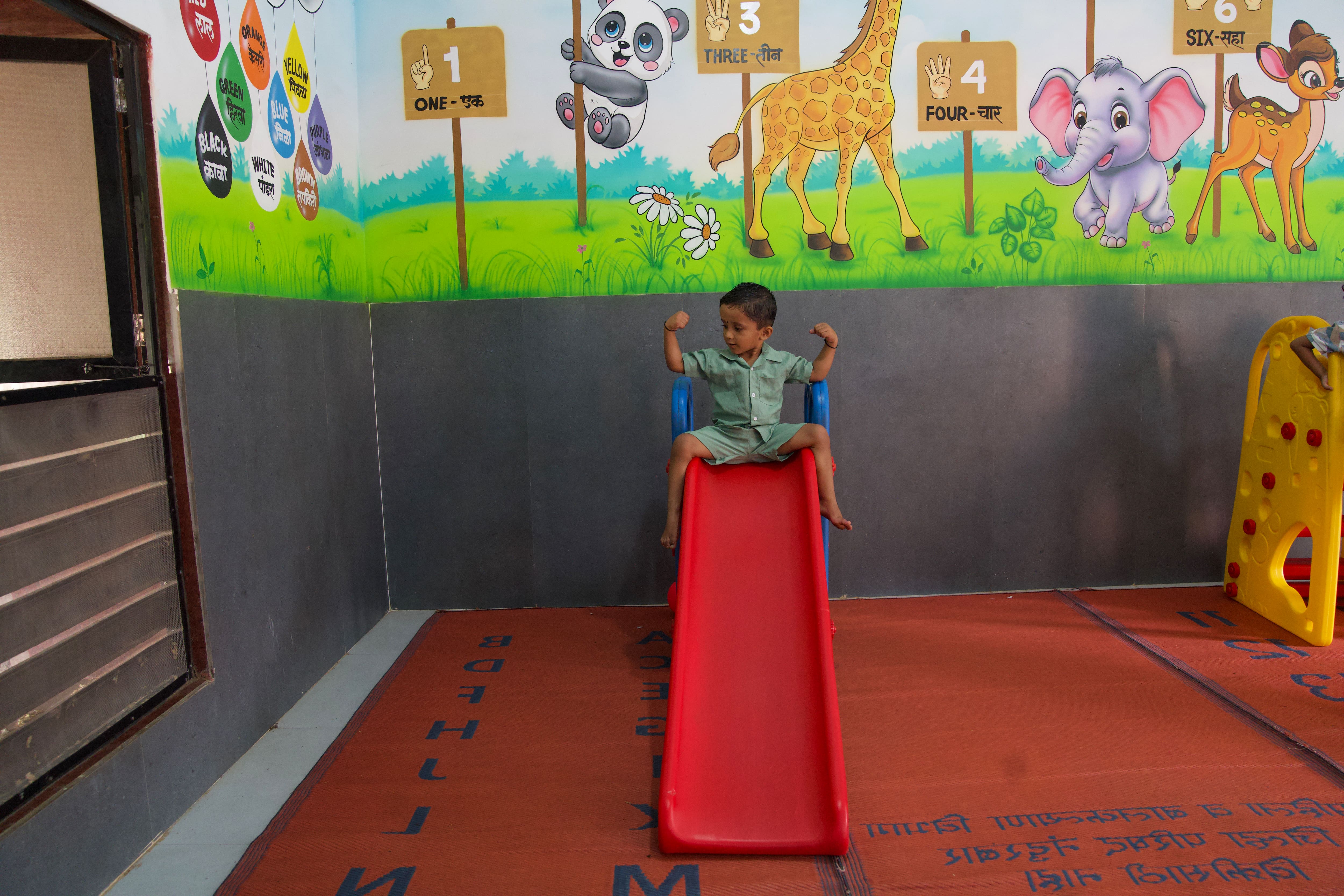
Working alongside local teams, architects and engineers, we set out to transform these centers into safer, brighter and more welcoming spaces. Places where children could feel comfortable, play freely and begin learning. Because a space that makes a child feel cared for can be an important part of their early years.
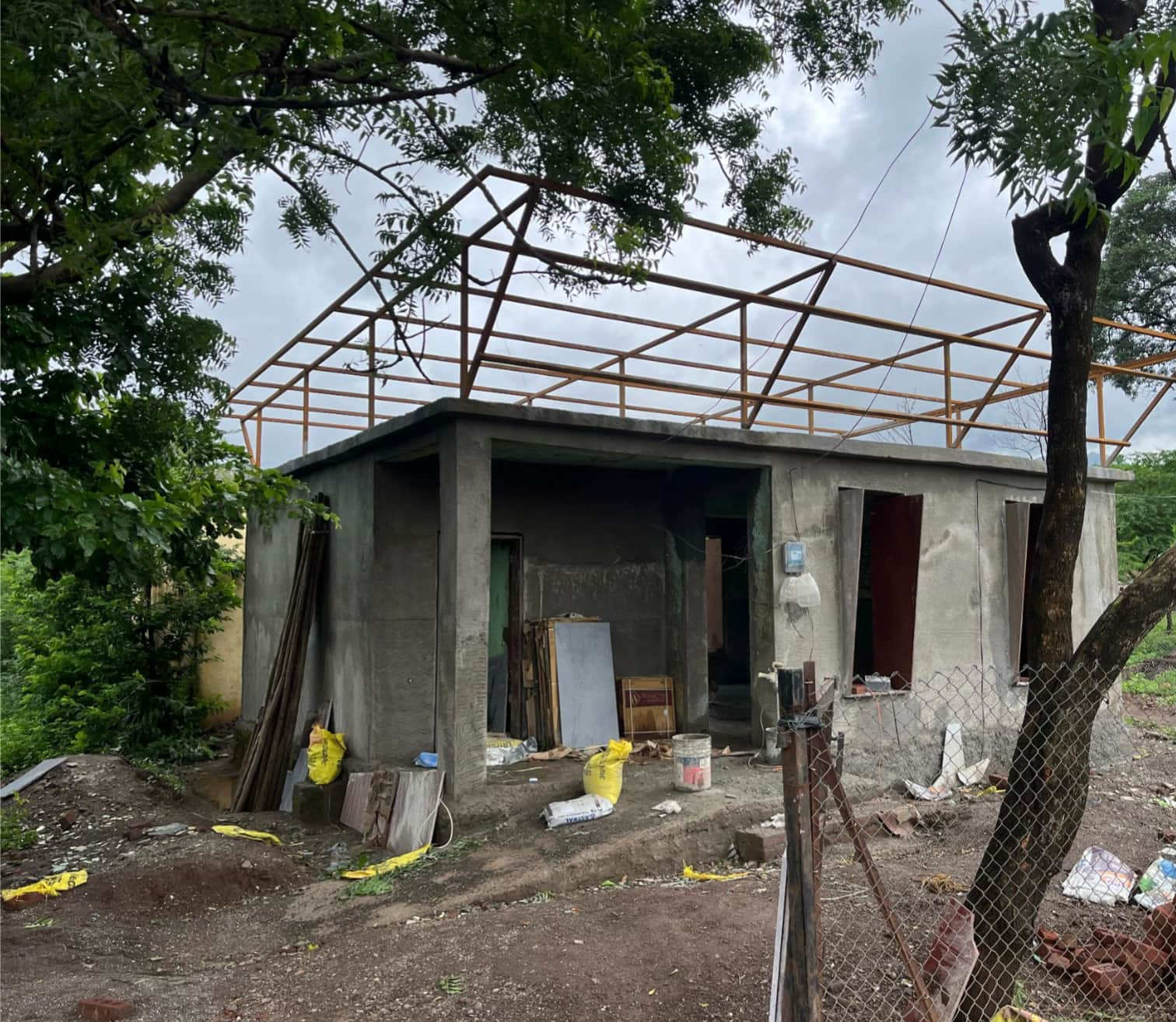
While these centers were being reimagined, another part of the program was taking shape: getting nutritious, freshly cooked meals to children across the region.
From one kitchen to 224 Anganwadis
\A centralised kitchen was contracted to prepare meals for children across Taloda. In October 2025, the first meals reached 115 Anganwadis. By January 2026, 224 Anganwadis were receiving meals, reaching nearly 8,000 children every day.
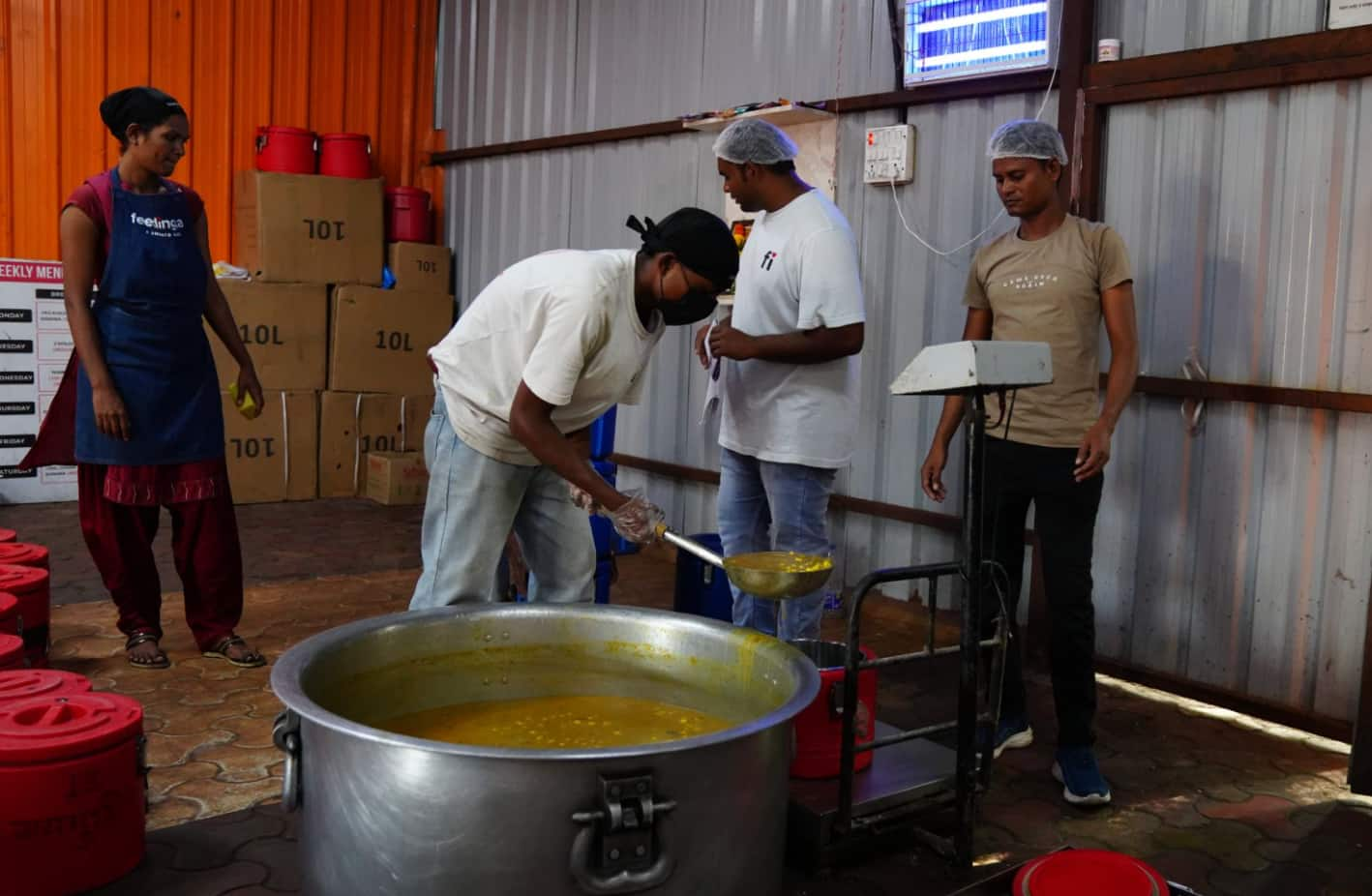
Behind those numbers was a carefully planned delivery network connecting the kitchen to centers spread across the region. But reaching more children was only part of the effort. What went onto their plates mattered just as much.
Our nutritionists developed Menu 2.0, bringing more variety and nutritional value to everyday meals while keeping children's tastes and preferences in mind. Because nutrition can only do its work when food is eaten and enjoyed. A meal must meet a child's needs, but it should also be something they look forward to.
More than a meal
Malnutrition is shaped by many things: food, health, hygiene, living conditions and access to early childhood care. No single intervention can address all of them.
That is why our Anganwadi Program brings together nutritious meals, improved infrastructure and regular health monitoring, while recognising the importance of children attending their centers consistently. The aim is not simply to count the meals served, but to understand what is changing in children's lives.
We also regularly track children's height, weight and nutritional status, including indicators of stunting, wasting, and underweight. This helps us follow individual growth and identify children who may need closer attention.
Sambodhi Research independently conducted baseline and midline assessments, following the same group of children over time and studying a comparison group to better understand changes in nutritional outcomes. Doctors from Government Medical College, Nandurbar, also independently measured children alongside the research teams, adding another layer of rigour.
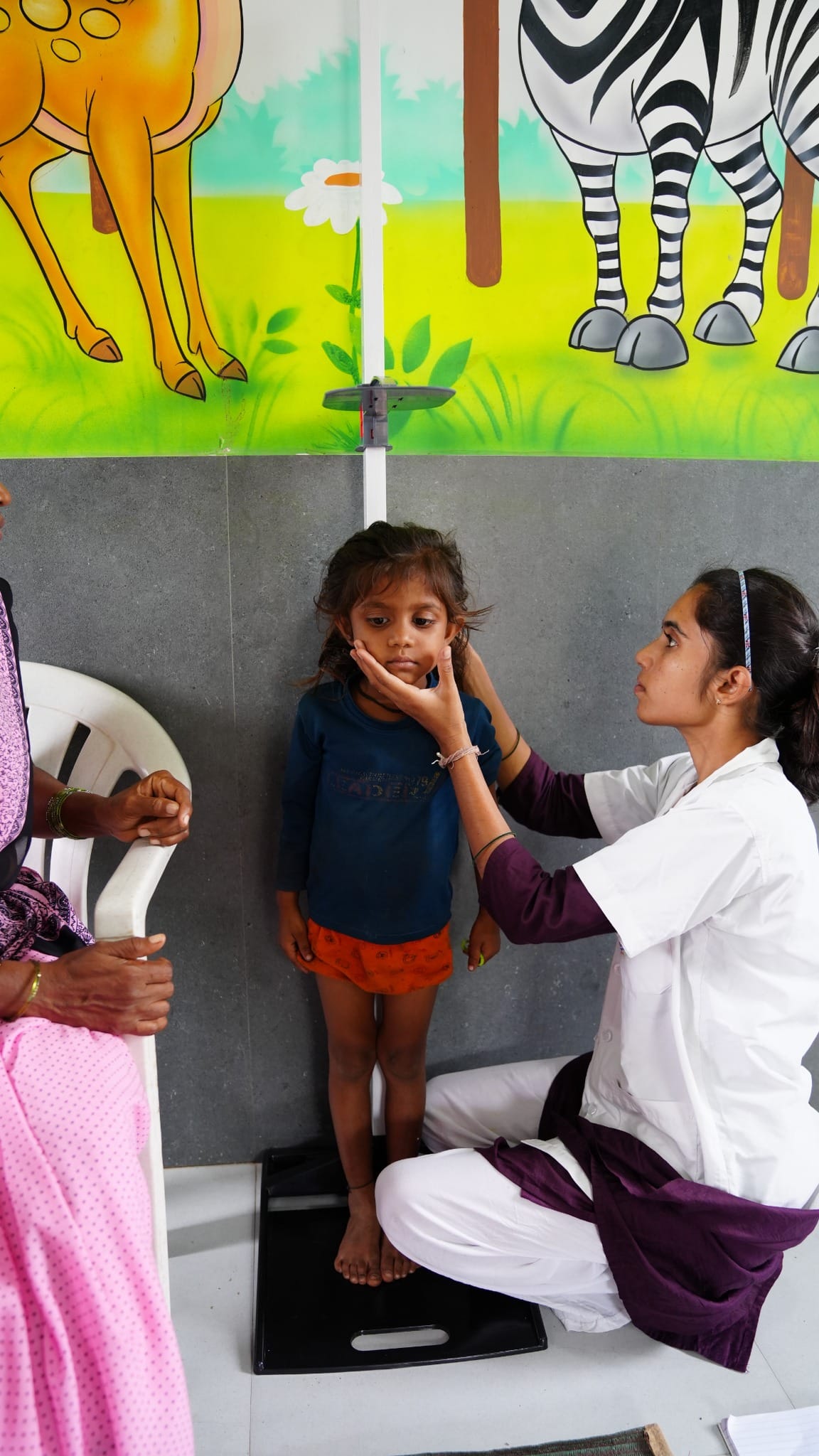 Together, these efforts help us look beyond the number of meals served and build a clearer picture of children's health.
What we're learning so far
The early findings remind us that progress is not always straightforward. Children who entered the program with healthy nutritional indicators have largely maintained their status. However, many children who were already malnourished continue to face the same challenges. This suggests that the program may be helping children maintain their nutritional status, while reversing established malnutrition remains more difficult. It is an important distinction, and one we cannot afford to overlook.
We want to understand not only what is working, but also what isn't working, and where we need to do better. Because every measurement represents a child whose well-being matters beyond any program statistic.
The work continues
There are changes we can see around us: Anganwadis becoming more welcoming, fresh meals reaching centers every day, and more opportunities to provide children with consistent nutrition and care. What began with visits to 220 Anganwadis has grown into a program reaching thousands of children across Taloda.
But meaningful change takes time. Malnutrition cannot be addressed through one meal, one building or one intervention. It takes consistency, close attention and a willingness to learn from what the evidence tells us.
Nandurbar is teaching us what it means to build a stronger system of support around a child, and how much there is still to learn. We will keep listening to communities, tracking progress and improving our approach. Because a healthier childhood is built day by day: through nourishing meals, safe places, caring people and the chance for every child to grow into all they can be.