The emotional weight of an assured meal
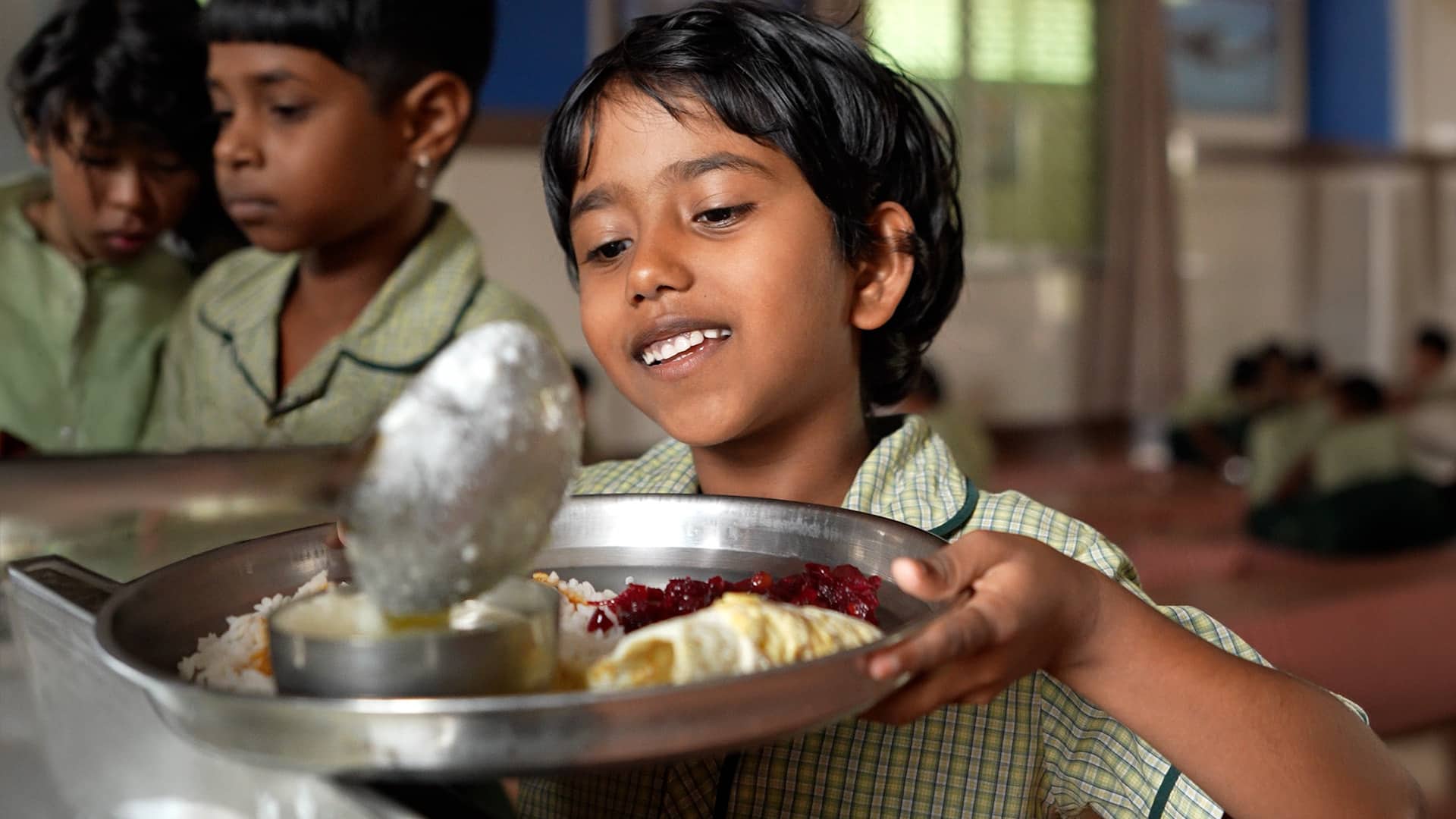
For most Indians, the earliest memories of food are inseparable from the memory of being cared for.
Long before we understood nutrition, we understood the language of a meal. It lived in small gestures that rarely announced themselves as love, and yet unmistakably were: a mother setting aside the choicest portion for her child, a grandparent insisting one eats before stepping out, the quiet comfort of returning home with the certainty that someone, somewhere, had thought about their hunger in advance.
In India, food has never been merely functional. It has always carried tenderness, ritual and belonging within it.
Perhaps this is why conversations around childhood hunger often feel strangely incomplete. Most often, we speak of meals in terms of distribution, coverage and relief. We measure nourishment through numbers served, deficits reduced, and targets achieved. All of this is necessary, and yet something essential escapes the vocabulary of welfare. For a child, the experience of food is never only physical. It is emotional. It shapes their earliest understanding of security itself.
A child who grows up with the assurance of a meal grows up with more than nutrition. They grow up with rhythm, predictability, and the deeply stabilising knowledge that tomorrow has been accounted for. There is profound emotional safety in not having to wonder whether one will eat. Such certainty allows a child to experience childhood as it is meant to be: with attention free to wander toward classrooms, friendships, games and dreams, rather than toward uncertainty.
The absence of this assurance leaves marks that are less visible than hunger and often far more enduring.
The difference between relief and care is a whole quiet world in itself. Relief addresses an emergency. Care restores dignity.
A relief meal asks how hunger may be reduced for the day. Care asks what it means for a child to feel remembered, expected and worthy of consistency. The distinction may appear philosophical to adults accustomed to thinking of nutrition in logistical terms, but children understand it instinctively. They remember not the nutrient composition of meals, but the emotional atmosphere surrounding them. Whether food felt hurried or warm, whether it arrived with embarrassment or with ease, and whether it made them feel accommodated or included.
This is why India’s nutrition conversation must evolve beyond the language of scarcity alone. A meal is not simply fuel for the body; it is often a child’s earliest experience of reassurance. The dignity of nourishment lies not only in feeding a child adequately, but in ensuring that the act itself does not reinforce the feeling of being lesser, separate or dependent.
At Feeding India, this understanding increasingly informs the philosophy behind our work. The effort is not merely to serve meals at scale, but to preserve humanity within the act of serving. Through our efforts - such as thoughtfully curating menus that honor regional preferences, catering to the unique nutritional needs of children and young athletes, and celebrating local festivals with special meals, and so much more, we strive to make every child feel deeply valued. For us, it is not enough to simply serve meals at scale - our mission is to deliver each plate with the respect, care, and equality that every human being deserves.
India often speaks of building a stronger future for its children through education, opportunity and economic growth. Yet no society can truly prepare its children for the future while leaving them uncertain of the most basic assurances in the present. For the promise of childhood has never rested only on ambition. It has rested, too, on the quiet human comforts that allow a child to feel secure enough to hope.
Among those comforts, few are more fundamental than the certainty of a meal prepared with care.