The other half of training
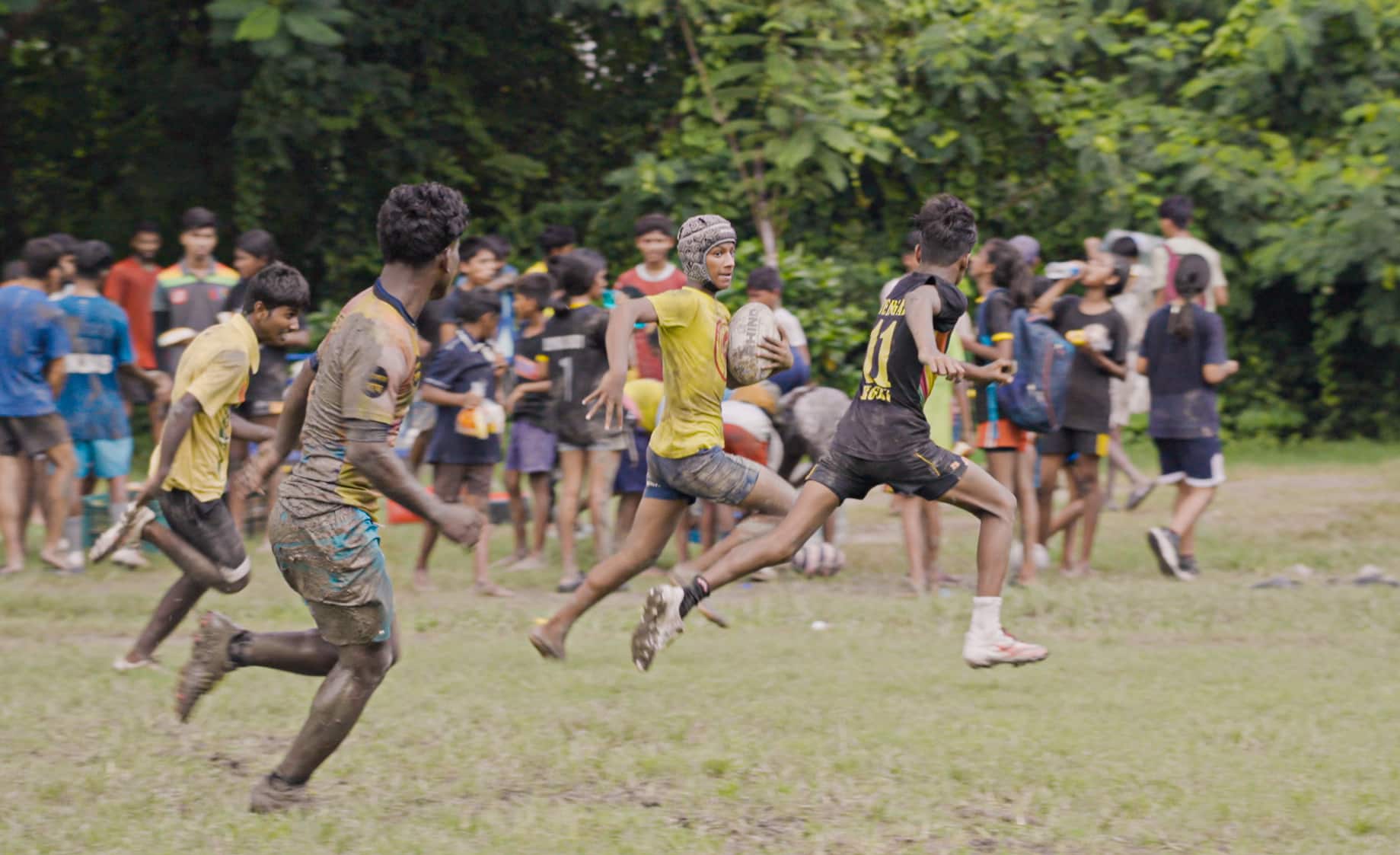
At the highest level of sport, nobody thinks training ends when the whistle blows.
The session might be over, but the athlete's work isn't. There is recovery to think about, muscles to repair, energy stores to replenish, another session tomorrow, and another competition next week. Which is why elite athletes can be almost obsessive about what happens in the hours between training sessions. Their meals are planned around the work they are asking their bodies to do.
In elite sport, what you eat is part of how you train. Carbohydrates are used strategically to fuel hard sessions and replenish glycogen. Protein helps support muscle repair and adaptation. Fluids matter. Timing matters. Even the composition of a meal can change depending on whether an athlete is preparing for training, recovering from it, or getting ready to compete.
Now think about a 13-year-old who is training every morning before school and again in the evening. They may not have a sports dietitian or a nutritionist planning meals around their training calendar. But their body still has the same basic problem to solve. It has to grow and perform at the same time.
That is what makes nutrition particularly important for young athletes. The International Olympic Committee's guidance on youth athletic development treats nutrition as part of the development of a healthy, capable young athlete, not something that comes after the training. Young athletes need food that supports normal growth while also meeting the demands of sport.
The plate in front of a young sportsperson is doing more work than it appears. It could be the carbohydrates that help them get through their afternoon training, the protein that supports their growing muscles, the iron that helps carry oxygen around their body, or the calcium and vitamin D that support developing bones. The gap between a good meal and a poor one does not show up immediately, but over days, weeks, and months of training, the food that supports the body becomes part of the work the athlete is putting in.
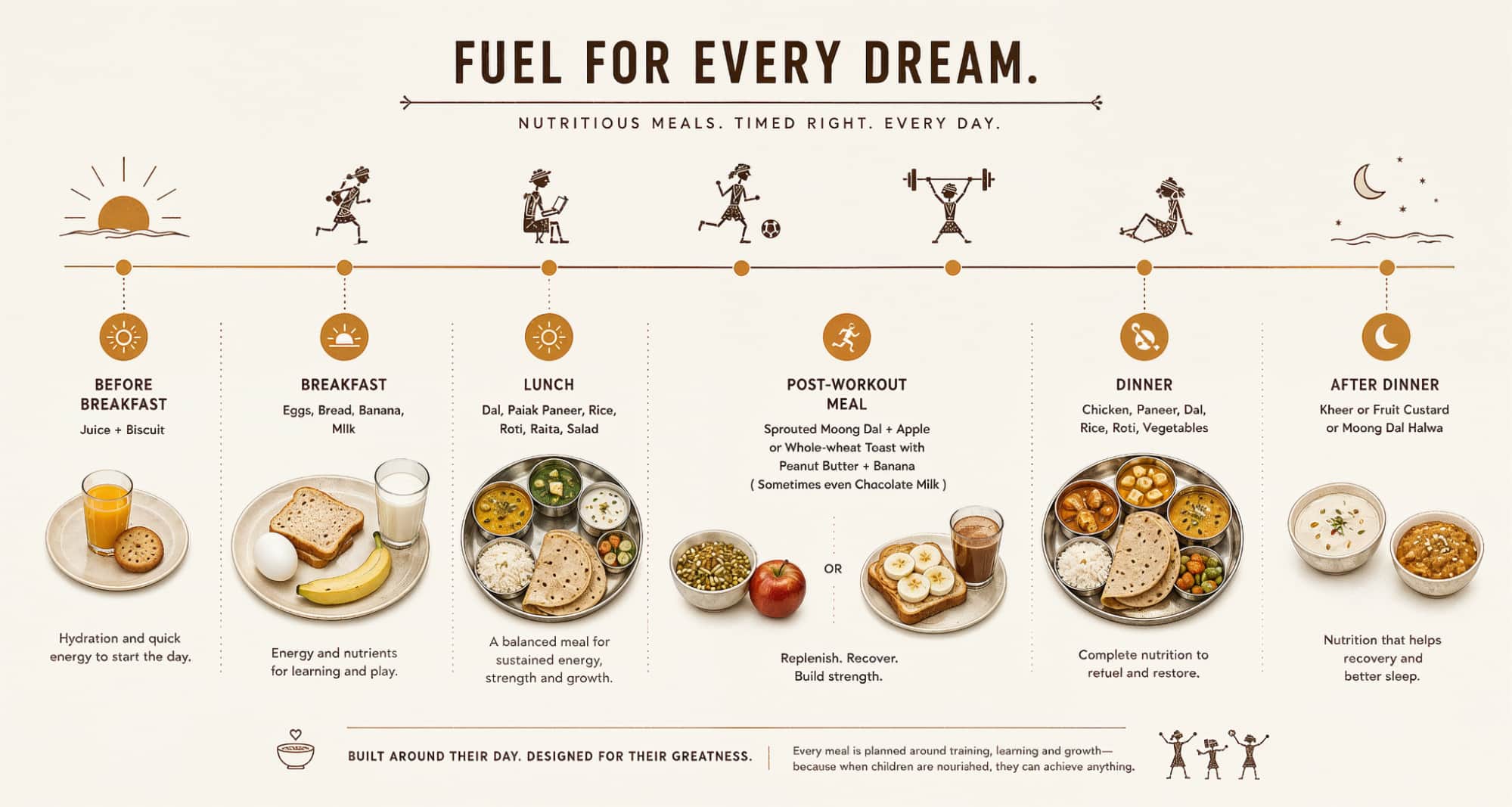 This is what a day of food can look like at the sports-focused schools Feeding India supports, including Youth Football Club in Jalandhar, Future Hope in Kolkata and Bridges of Sports in Bengaluru. The plates you see here are a sample from these kitchens, and the menu changes from place to place and season to season, because every location builds its meals around ingredients grown and eaten in its own region.
A champion's story is usually told through their speed, their strength, their obsession with the game. Less often through their sleep, their recovery, their coaching, and their food. All of those things are part of the same story, and most young athletes who go on to do something remarkable had access to all of them, even if nobody framed it that way at the time.
Every child who wants to pursue sports deserves access to those foundations. They might not become an Olympian, or find that the goals they set for themselves shift as they grow. It’s the ambition that should be allowed to find its level.
If a child wants to run, let them run. If they want to play, let them play. If they want to compete, let them compete.
And if they want to find out just how good they can become, their nutrition shouldn't be the thing that decides the answer. It should just feed their greatness.
Behind every young athlete stands a kitchen doing its own training. This National Sports Day, our film celebrates the greatness on the field and the meals making it possible. See what feeds a champion.