Bridging the Nutritional Gap: The Impact of India's Mid Day Meal Scheme and Feeding India's Program
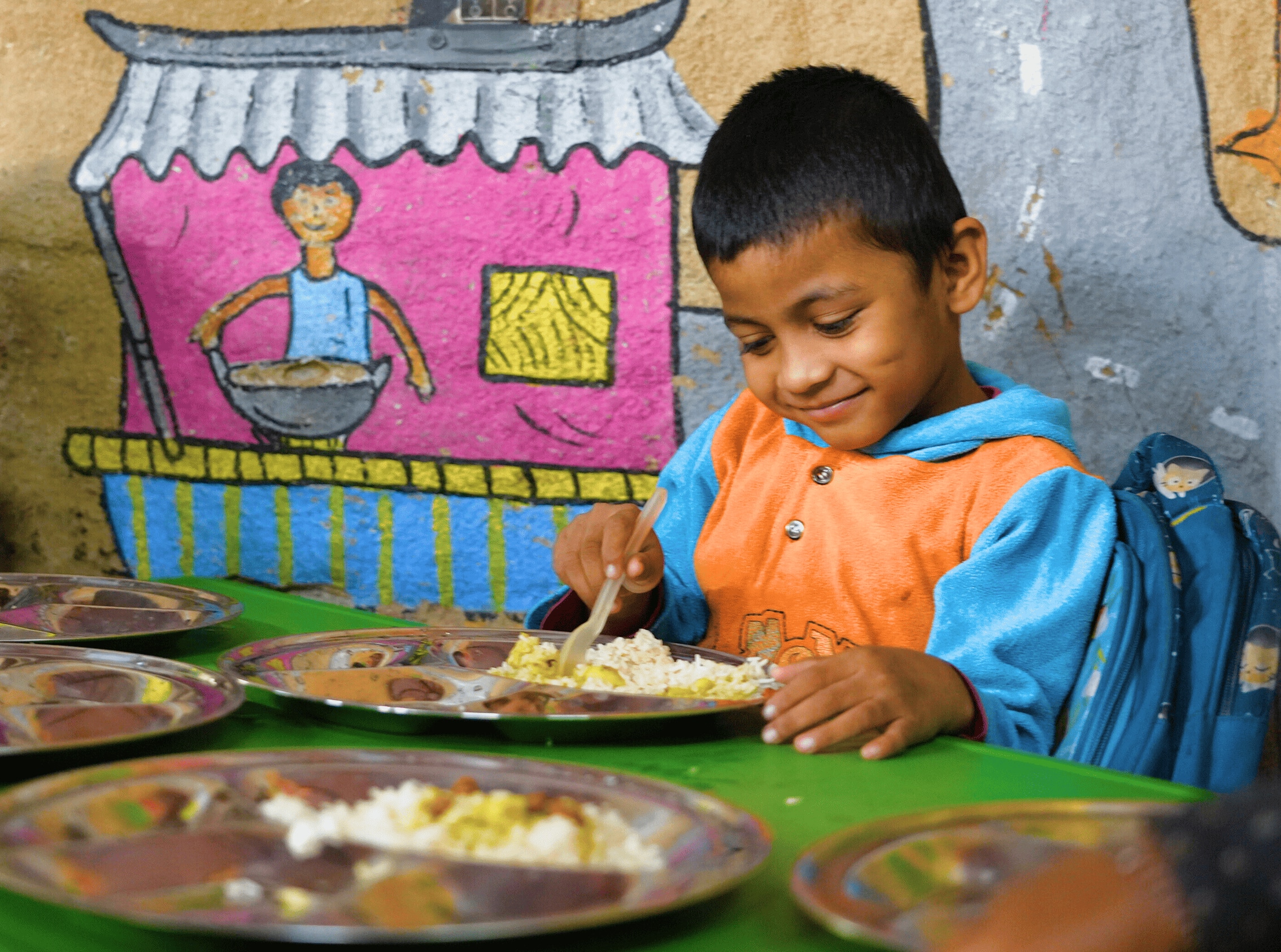
India's Mid Day Meal Scheme, now known as PM Poshan Scheme, is considered as a transformative initiative in addressing hunger, malnutrition, and even educational disparities among school going children.
India has one of the world’s largest school systems, serving 24.69 Cr students across 14.71 L schools, supported by over 1.01 Cr teachers, as per The Economic Survey 2025-2026. At the centre of India’s school nutrition ecosystem is PM POSHAN, the programme many still recognise as the Mid-Day Meal Scheme.
From the Mid-Day Meal Scheme to PM POSHAN
India’s journey with school meals goes back almost a century. In 1925, the Madras Municipal Corporation introduced a school meal programme for children from underprivileged communities. Over time, several states built their own models.
A nationwide centrally sponsored programme was launched on August 15, 1995, as the National Programme of Nutritional Support to Primary Education. The programme grew over the years, both in reach and in nutrition support. In 2021, it was renamed the Pradhan Mantri Poshan Shakti Nirman Scheme, or PM POSHAN.
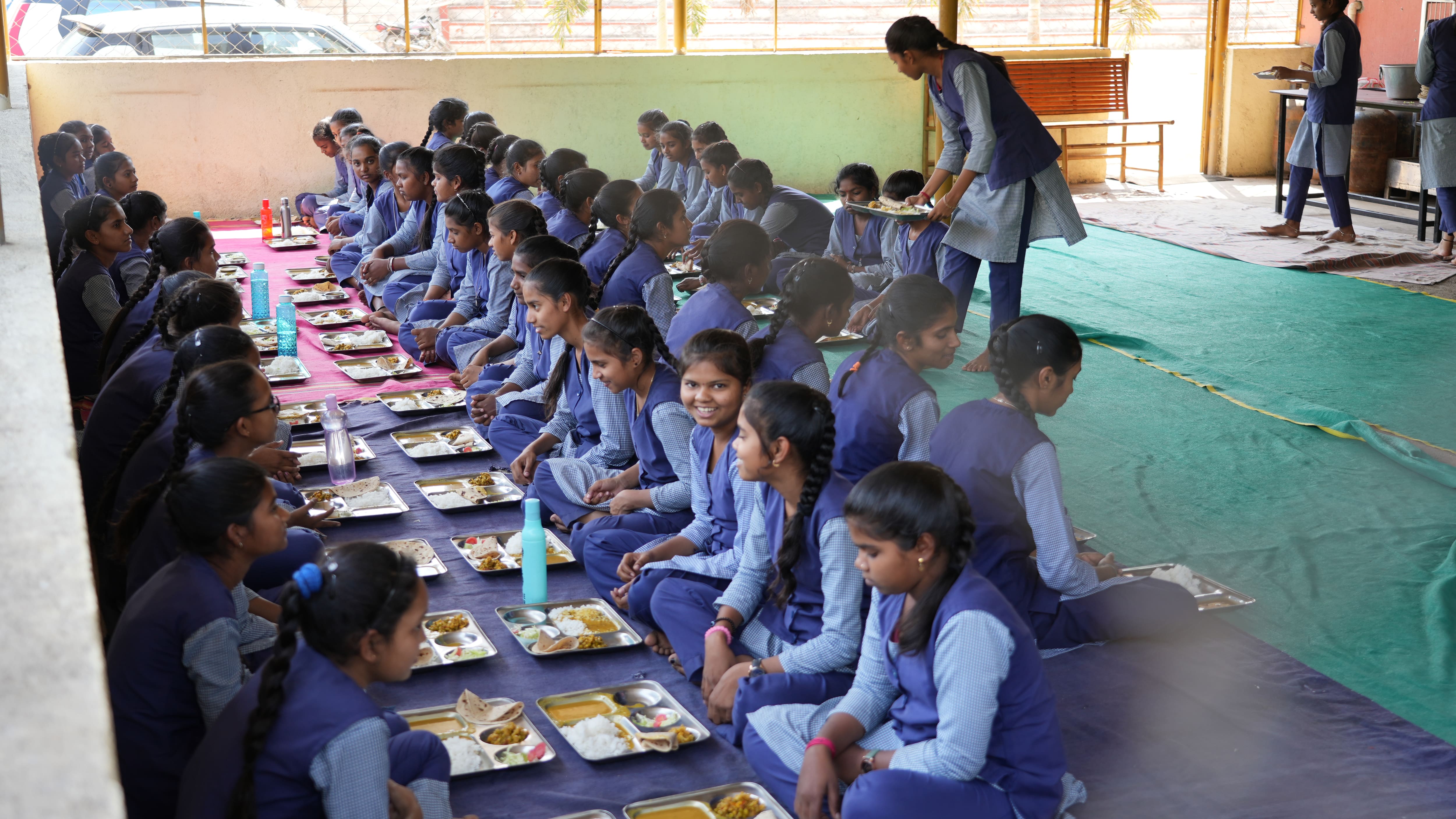
Today, PM POSHAN provides one hot cooked meal to eligible children in Balvatika and Classes I to VIII in government and government-aided schools.
Why school meals continue to matter
India has made progress on child nutrition, but the need remains significant. According to National Family Health Survey-6 (NHFS), stunting among children under five declined from 35.5% to 29.3%, severe wasting declined from 7.7% to 5.2%, and underweight prevalence reduced slightly from 32.1% to 31.8%. These numbers show improvement, but they also remind us that nutrition requires continued attention from early childhood through the school years.
A consistent meal is one part of the larger support system that helps children stay connected to learning. When children have regular access to nutritious food, it supports their energy, immunity, concentration and participation. Most importantly it helps create a stronger reason for children to come to school regularly and stay engaged through the day.
Where complementary support is needed
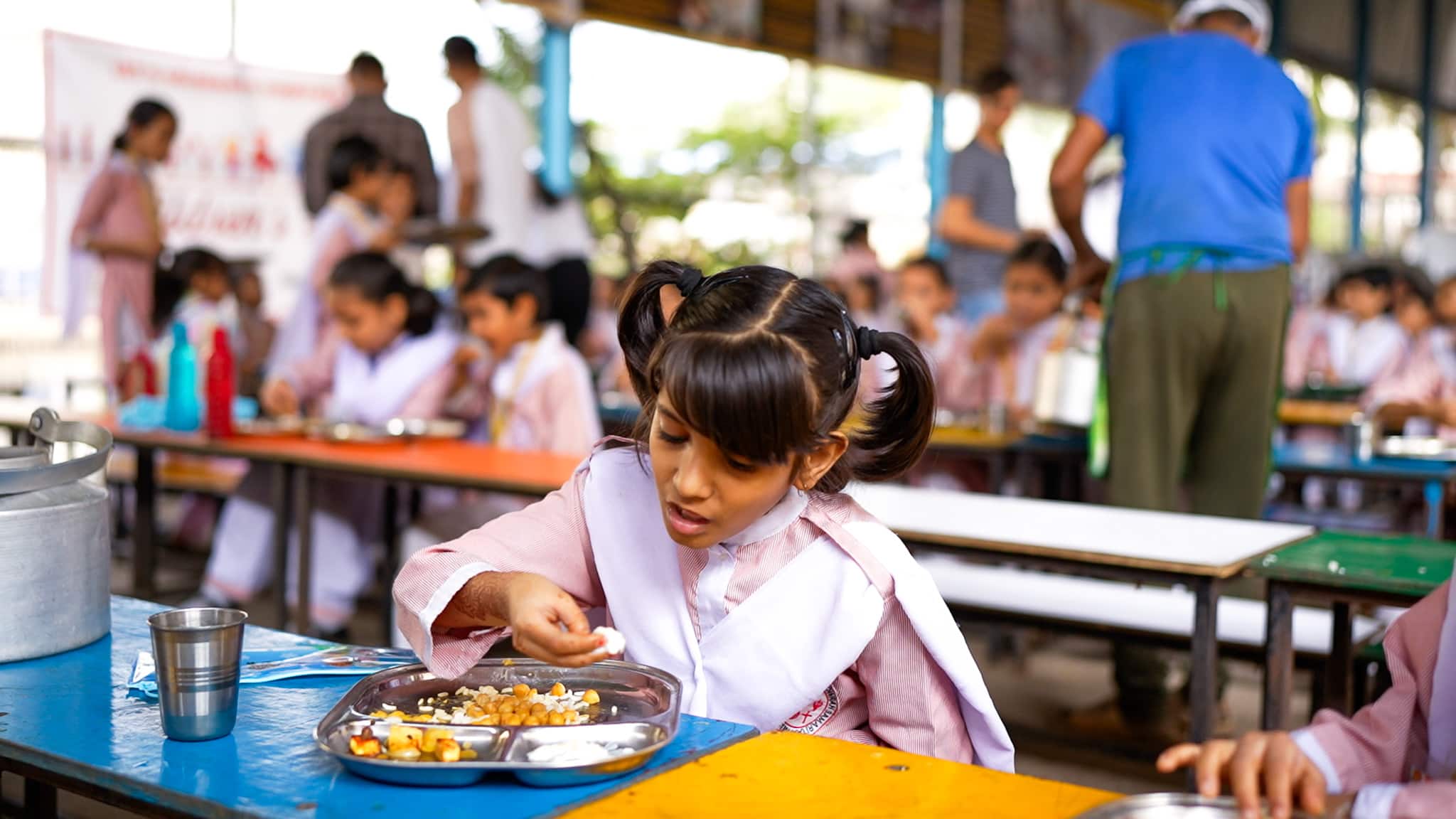
PM POSHAN is designed for government and government-aided schools. Its scale makes it one of India’s most important child nutrition interventions. At the same time, children also learn and grow in many other spaces: informal learning centres, special-needs institutions, orphanages, sports academies, music schools and community-led education centres like Anganwadis.
In many of these spaces, access to a dependable daily meal can vary. This is where implementation partners can support the larger ecosystem. The role is not to replace public programmes, but to complement them by reaching institutions and children that may need additional support.
How Feeding India supports daily nutrition
At Feeding India, our work is rooted in one bold vision: to make India malnutrition-free.
We function through two key initiatives. The Daily Feeding Program provides nutritious meals to children across more than 1,000 educational institutions in over 160 cities, including schools, informal learning centres, special-needs centres, orphanages, sports centres, and music schools. Complementing this, The Anganwadi Program supports children under the age of five through 500+ Anganwadi centres, helping improve nutrition during the most critical years of growth.
Our model is built around the needs of each centre. Some centres have the infrastructure to cook meals on-site. Others require support through nearby kitchen partners who can prepare and deliver hot cooked meals. The idea is, children should have consistent access to nutritious food in the spaces where they learn, play and grow.
Our Facial Recognition Attendance Technology system, called FRAT, helps us make our program operations more transparent and accountable while ensuring that children's data is securely protected. Digital attendance, meal tracking and partner feedback help estimate how many meals are needed, track delivery and consumption, and reduce both shortages and excess preparation.
Building a stronger nutrition ecosystem together
PM POSHAN shows the scale that a public nutrition programme can achieve. Feeding India’s Programs support local partnerships and FRAT technology across a wider set of learning spaces. When these efforts come together, more children receive a stronger foundation for health, education and opportunity.